Managing Extreme Heat in an Aquaponics System
When Summer Turns Extreme
Early July in central Pennsylvania normally brings pleasant summer weather, with daytime highs around 83–85°F. This year was different. On July 2, our first major heat wave arrived. By late afternoon, the outside temperature reached 102°F, while the greenhouse climbed to 107°F. Although the air temperature was alarming, my greatest concern wasn’t the air—it was the water. Aquaponics stores a tremendous amount of heat in nearly 1,000 gallons of circulating water. Once that water warms, it cools only slowly, especially when nighttime temperatures remain in the 70s. For our tilapia, water temperatures around 83°F are still acceptable but are approaching their stress zone. Warm water also holds less dissolved oxygen, making it more difficult for fish to breathe. At the same time, cool-season crops like lettuce, kale, celery, and carrots can begin showing signs of heat stress through wilting, yellowing, bolting, or reduced quality. This heat wave would become a valuable learning opportunity.
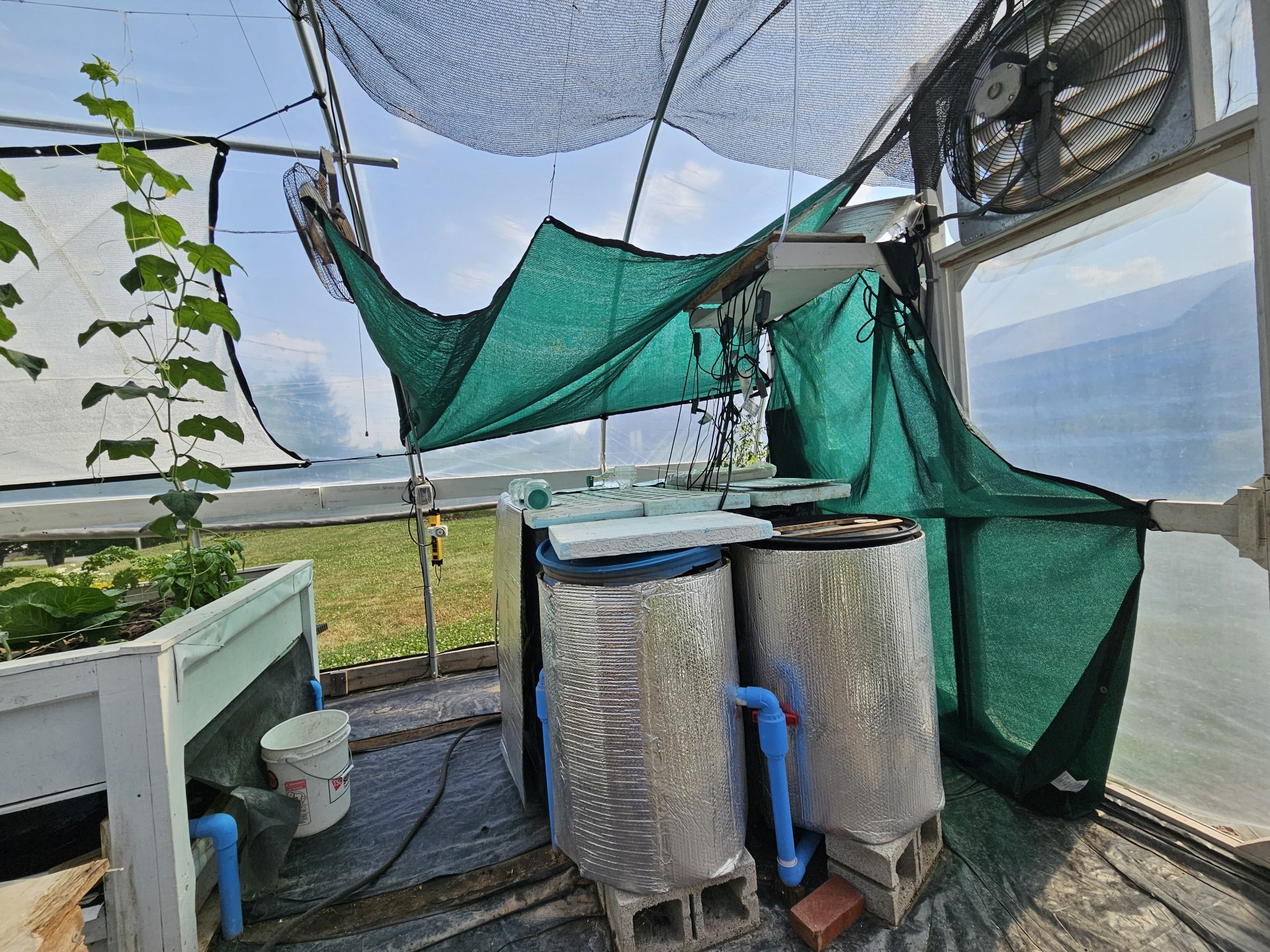
Our Cooling Strategy
Several passive cooling measures were already part of the greenhouse design:
Passive Cooling Strategy |
Status |
|
Both sidewalls open 24 hours/day |
✅ |
|
Exhaust fan running continuously |
✅ |
|
Reflective insulation around fish tank |
✅ |
|
Continuous water circulation |
✅ |
As temperatures climbed, I added additional protection:
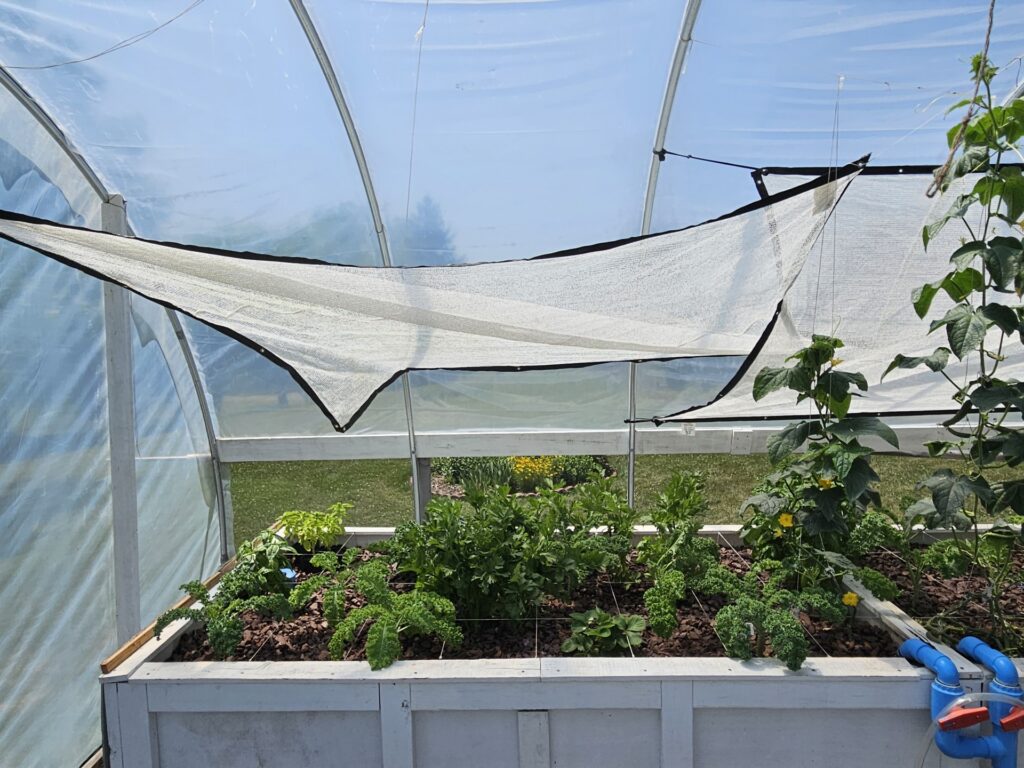
- A 6×10 ft 40% shade cloth over the east media bed.
- A 6×10 ft 70% shade cloth over the southwest end of the greenhouse.
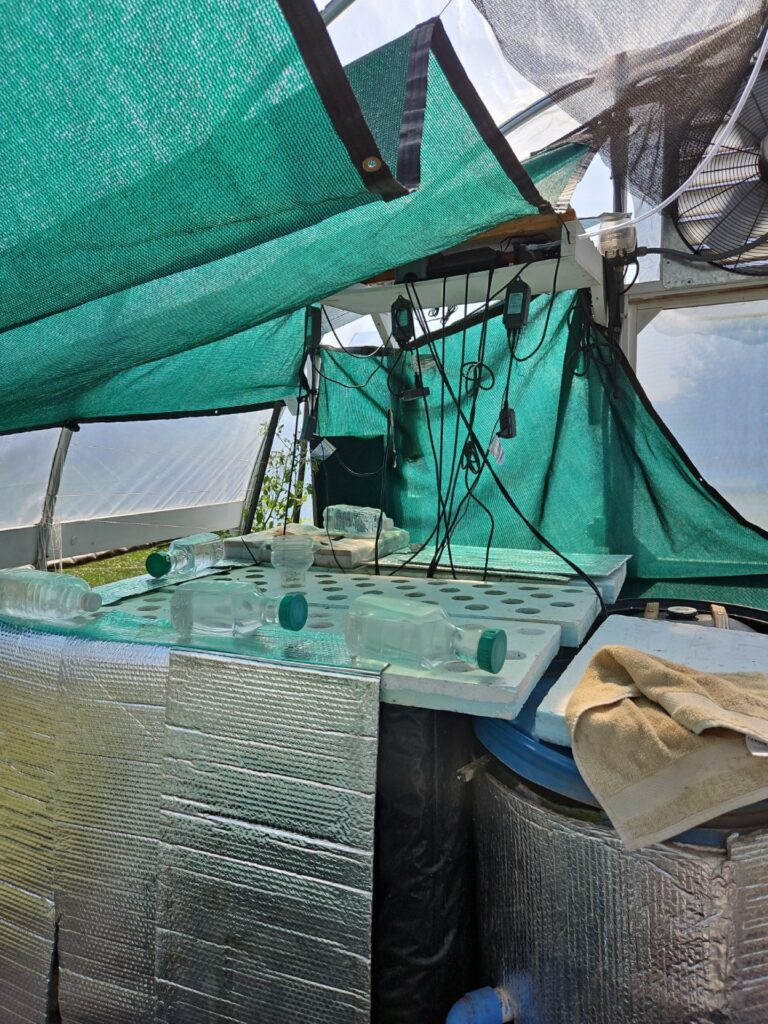
- A second 6×10 ft 70% shade cloth over the west-facing side to shade the fish tank during the hottest part of the afternoon.
- Reflective foil insulation over two unused DWC rafts to reduce solar heating.
- Kept 65.5°F well water available if emergency cooling became necessary.
Fortunately, adding cool well water was never needed.
What We Observed
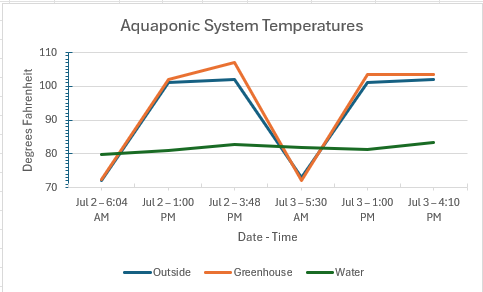
The greenhouse reached its highest air temperature of 107°F during the afternoon of July 2. Despite those conditions, the water temperatures remained remarkably stable.
🌡️ Outside Air
Reached 102°F, about 18–20°F above a typical early July day.
🏡 Greenhouse Air
Peaked around 107°F before additional shade cloths were installed.
💧 Water Temperature
Despite the extreme heat, fish tank, sump, and DWC water remained near 81–83°F.
🐟 Tilapia
Fish were feeding less than normal. Warmer water holds less dissolved oxygen.
🥬 Vegetables
Lettuce and kale showed signs of heat stress (wilting) during the hottest part of the day. Cucumbers continued producing well.
🛠️ Cooling Measures
Three additional shade cloths, continuous water circulation, and close temperature monitoring helped keep the system within a safe operating range.
One interesting observation surprised me. Although the greenhouse air became extremely hot during the day, the additional shade cloths appeared to slow the rate at which the water absorbed heat. By early afternoon on July 3, the fish tank, sump, and DWC water temperatures were essentially the same—or slightly cooler—than they had been at the same time the previous day, despite nearly identical outside temperatures.
Lessons Learned
Several important lessons came from this experience.
- Shade cloth is one of the most effective passive cooling tools available.
- Protecting the fish tank from direct afternoon sun is especially important because of the large amount of stored heat in the water.
- Reflective covers over unused DWC rafts reduced unnecessary solar heating.
- Continuous monitoring allowed small adjustments before temperatures reached dangerous levels.
- Sometimes several modest improvements work better than one dramatic change.
The limiting factor wasn’t the daytime air temperature—it was the unusually warm nighttime temperatures. Normally, with overnight lows around 65°F, the 1,000 gallons of water would cool several degrees before sunrise. But during this heat wave, overnight lows near 73°F allowed only about 1°F of overnight cooling, so each day’s heat built on the previous day’s stored heat.
How You Can Do This
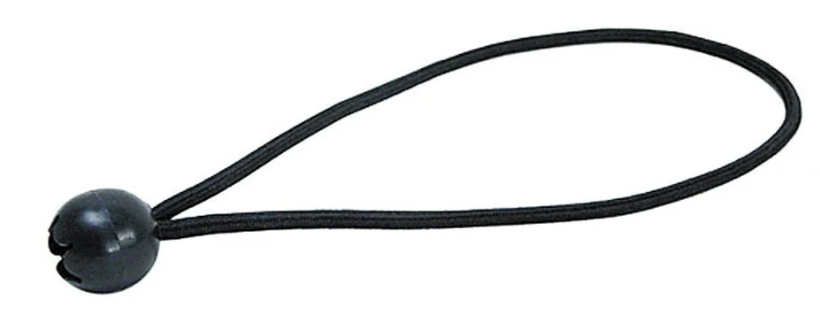
If you’re preparing your own greenhouse for extreme summer temperatures, consider adding shade cloth before the hottest weather arrives. The shade cloths and bungee ball cords used in this project were purchased from Greenhouse Megastore and were simple to install over the greenhouse hoops.
- Bungee ball cords used to secure the shade cloth.
- 6 × 10 ft 40% shade cloth over the east media bed.
- Two 6 × 10 ft 70% shade cloths protecting the fish tank.
Faith Reflection
One of the things I enjoy most about aquaponics is that it continually reminds me that stewardship requires both wisdom and observation. God designed creation with remarkable resilience, but He also entrusted us with caring for it. During this heat wave I couldn’t change the weather, but I could pay attention, learn, adapt, and take thoughtful action. We may not control our circumstances, but with God’s help we can respond faithfully and continue to grow.
“The Lord God took the man and put him in the Garden of Eden to work it and take care of it.” Genesis 2:15
Even during a heat wave, God provided a way for the fish, plants, and greenhouse to continue thriving.